Lower Marsh removals guide for market area moves
Moving in and around Lower Marsh can feel straightforward on paper, then suddenly very not straightforward once you meet the reality of a busy street, market trading hours, tight kerbs, and the usual London mix of pedestrians, buses, and last-minute delays. This Lower Marsh removals guide for market area moves is here to make the process calmer, clearer, and a lot more manageable. Whether you are shifting a flat, a small office, a shop unit, or just a few bulky items, the big win is the same: plan around the market, protect your access route, and keep the loading day efficient.
To be fair, most moving problems in this part of Waterloo are not about the boxes themselves. They come from timing, access, parking, and not giving yourself enough breathing room. The good news? Those issues are predictable, which means they can usually be planned for. Below you will find a practical, local-minded breakdown of how market area moves work, what to watch for, and how to reduce the stress without turning the whole thing into a military operation.
Table of Contents
- Why Lower Marsh removals guide for market area moves Matters
- How Lower Marsh removals guide for market area moves Works
- Key Benefits and Practical Advantages
- Who This Is For and When It Makes Sense
- Step-by-Step Guidance
- Expert Tips for Better Results
- Common Mistakes to Avoid
- Tools, Resources and Recommendations
- Law, Compliance, Standards, or Best Practice
- Options, Methods, or Comparison Table
- Case Study or Real-World Example
- Practical Checklist
- Conclusion
- Frequently Asked Questions
Why Lower Marsh removals guide for market area moves Matters
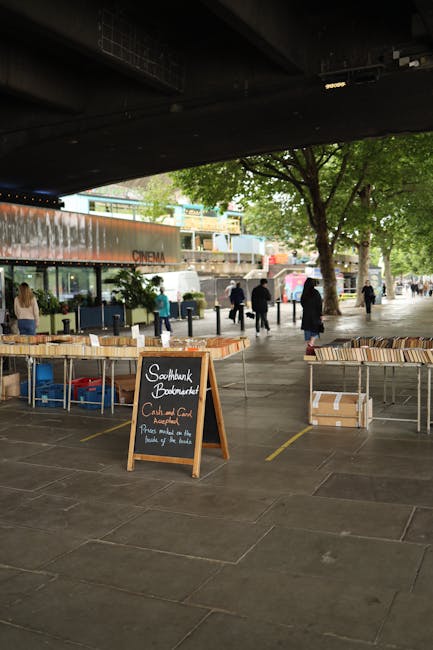
Lower Marsh is not just another London street. It is a live, working market environment, which changes how removals need to be handled. You are not moving in a quiet cul-de-sac where the van can sit outside for half an hour and nobody minds. You are dealing with footfall, trading activity, delivery windows, narrow stretches, and the general reality that one small delay can ripple through the whole street.
This matters because removals depend on three things that market streets rarely give you for free: space, predictability, and time. In a market area, those three are precious. If you arrive too early, you may block trade. If you arrive too late, you may miss the easiest loading window. If you underestimate the amount of carrying required between the property and the vehicle, the day can get messy fast.
There is also a customer-side issue that people often overlook. If you are moving a business from Lower Marsh, you may need to protect opening hours, keep stock secure, and avoid making the entrance look chaotic in front of passing customers. If it is a home move, you still have to think about neighbours, noise, and the practical reality of carrying furniture past busy pavement traffic. One bad plan can make a simple move feel like a small festival of stress. Nobody wants that.
If your move needs a hand with the physical lifting and vehicle planning, it can help to look at man and van support for compact London moves or broader removal services depending on the size of the job. The key is matching the method to the street, not the other way around.
Expert summary: Market-area removals work best when the move is built around access, timing, and load size first. The boxes matter, of course, but the street layout decides the day.
How Lower Marsh removals guide for market area moves Works
A good market-area move starts long before the van arrives. In practical terms, the process usually follows a simple sequence: assess the access, choose the right vehicle, schedule around trading activity, prepare the items, and then load in a way that reduces the number of trips.
The first step is usually a proper review of the route from property to vehicle. In Lower Marsh, that means looking at whether the van can stop close enough for quick loading, whether a trolley will actually be usable, and whether there are pinch points caused by pedestrians, signage, or parked vehicles. It sounds basic, but this is where many moves wobble.
Next comes the vehicle choice. A smaller moving van may be the smarter option where access is tight, while a larger moving truck can be useful if you have a bigger load and the access allows it. The right choice depends less on what sounds impressive and more on what can actually work on the street. A huge van parked awkwardly is no one's idea of efficient.
Then there is the timing piece. For market moves, the best time is often the quietest time, but that does not always mean the same thing for every property or business. You need to account for local activity, building access, and your own packing readiness. If the removal team arrives and you are still wrapping plates or searching for a missing tape gun, the day can unravel a bit. Happens all the time.
For many people, the most reliable setup is a service that combines a well-sized vehicle with experienced loaders. If you want to see how that fits into a wider move, the pages on home moves and house removals are useful for understanding how domestic moves are typically structured.
Key Benefits and Practical Advantages
The main benefit of planning a Lower Marsh removal properly is simple: you save time. But the real-world advantages go a bit further than that.
- Less disruption: A move that respects market traffic is less likely to create problems for neighbours, traders, or building staff.
- Safer loading: Shorter carries and a sensible loading plan reduce the chance of knocks, trips, or damaged items.
- Better vehicle fit: Choosing the right van size can avoid wasted journeys and awkward repositioning.
- More predictable timing: Market streets reward preparation. When access is checked properly, the day is much easier to run.
- Lower stress: Honestly, that alone is worth planning for. Moving is already enough of a faff without adding avoidable chaos.
There is also a financial upside. A well-planned move is often more efficient because the team spends less time waiting around, backtracking, or making extra trips. That does not mean every move will be cheap, because costs depend on load size, distance, labour, and timing. Still, a better plan usually gives you better value.
If you are comparing moving options, it can help to read up on pricing and quotes so you understand what shapes the cost. That way, you can ask the right questions instead of guessing. Small detail, big difference.
Who This Is For and When It Makes Sense
This guide is useful for a few different kinds of mover. The obvious ones are residents living close to Lower Marsh and small businesses operating in or near the market area. But it also applies to landlords, shopfitters, freelancers moving studio equipment, and office teams relocating a compact workspace.
It makes sense to use a market-aware removals plan if any of these sound familiar:
- You are moving during the working day and need to avoid heavy pedestrian periods.
- You have limited loading space outside the property.
- You are moving furniture, stock, or equipment that needs careful handling.
- You need a crew that can work quickly and keep the street clear.
- You are unsure whether a small van, medium van, or larger vehicle is the better fit.
For businesses, this is especially relevant if you cannot afford much downtime. A compact office move, a pop-up retail transition, or a stock transfer between units can all benefit from a service built around commercial moves or, where the job is more operationally detailed, office removals and office relocation services.
And if you are the sort of person who only realises at the last minute that the sofa will not fit through the door, well, you are in normal company. That happens more often than people admit.
Step-by-Step Guidance
Here is a straightforward way to handle a Lower Marsh move without overcomplicating it.
- Survey the access early. Walk the route from the property entrance to the nearest practical loading point. Look for steps, kerbs, narrow doorways, and any awkward corners.
- Check timing around the market. Ask yourself when the street is most active and whether your building has preferred access times. A quieter hour can make the day feel almost easy. Almost.
- Match the vehicle to the load. A smaller man with a van setup may be ideal for lighter moves, while a bigger load might justify a moving van or, for heavier jobs, a moving truck.
- Pack by destination, not by chance. Label boxes by room or area, and keep a separate essentials bag with keys, chargers, documents, and anything you will need first.
- Protect delicate items properly. Wrap fragile pieces, secure drawers, and use blankets or padding for wood, glass, and screens.
- Prepare building access. Make sure someone can open gates, buzz the team in, or manage reception if needed.
- Load in a sensible order. Start with heavier items and bulky furniture, then stack lighter, fragile, or awkwardly shaped boxes where they are least likely to move.
- Do a final sweep. Check cupboards, loft areas, under beds, and behind doors. You would be surprised how often a charger or key gets left behind in the one place nobody looks.
If you need help with the physical side of this, the page on packing and unpacking services is useful to understand how support can be added around the move itself. A lot of people assume packing is just about tape and boxes, but the real value is in organisation. It saves time. It saves arguments too, if we are honest.
Expert Tips for Better Results
Market-area moves reward small, practical decisions. Here are the ones that tend to make the biggest difference.
- Go smaller if access is tight. A slightly smaller van can be much better than a larger one that cannot stop where you need it.
- Split the move if needed. Some Lower Marsh moves work better with two shorter runs than one overloaded trip. It is not glamorous, but it works.
- Keep first-use items separate. Kettle, mugs, medication, phone chargers, toiletries, and basic tools should not disappear into the main load.
- Use colour or room labels. It sounds simple, yet it reduces confusion when boxes come off the van in a hurry.
- Confirm the loading point in advance. Do not assume the same stopping spot will work on the day. Streets change throughout the day.
- Be realistic about carrying time. A short distance on a map can still be a long, awkward walk with a wardrobe or a crate of files.
In our experience, the smoothest moves are rarely the ones with the fanciest gear. They are the ones where everyone knows the plan and nobody is improvising at the kerbside at 8:40 in the morning. A little dull? Maybe. Effective? Absolutely.
If you are comparing moving support, it is also worth understanding the difference between man and van removals, a standard removal company, and a more hands-on removal service. The right choice depends on how much help you need, how large the move is, and how much access pressure the street creates.
Common Mistakes to Avoid
Some mistakes come up again and again in market area removals. Avoid these and you are already ahead.
- Leaving timing too late: If you plan the move around your own diary but ignore the street rhythm, the day can get delayed quickly.
- Choosing the wrong vehicle size: Too small means extra trips; too large means poor access and slower loading.
- Not measuring furniture: A sofa, desk, or fridge that cannot clear a doorway becomes a real problem on the day.
- Packing without labels: This turns unloading into guesswork. Guesswork is not fun when the rain starts.
- Ignoring building rules: Some properties have access requirements, lift booking rules, or limited loading permissions.
- Forgetting insurance and safety: Damage and liability questions are much easier to manage when everyone understands the arrangement beforehand.
One more thing: do not treat the move as if the team can simply "sort it out on arrival." That approach is usually expensive in time and nerves. A bit of prep really does pay off.
Tools, Resources and Recommendations
You do not need a mountain of equipment to manage a Lower Marsh move well. You do, however, need the right basics.
- Strong boxes: Use boxes that match the item weight. Overfilled boxes are a classic mistake.
- Packing tape: Proper tape, not the barely-sticky kind that peels when you look at it funny.
- Bubble wrap or paper: For glass, crockery, lamps, and small electronics.
- Furniture blankets: Helpful for protecting corners and polished surfaces during transit.
- Trolley or sack truck: Useful where the route allows it, especially for heavier loads.
- Labels and marker pens: Faster than you think, and worth every minute.
For larger or more complicated jobs, consider whether local removals support nearby could be the better fit, especially if you want a crew that understands London access patterns. If you are mostly moving bulky household items, house movers may be more appropriate than a purely transport-focused option.
And for old furniture you do not want to carry into the new place, the page on furniture pick-up can be helpful as part of a wider clear-out. It is often easier to declutter first and move less. Sensible, really.
Law, Compliance, Standards, or Best Practice
Moves in central London often involve practical compliance rather than dramatic legal complexity, but you still need to be careful. If a vehicle is stopping on a public road, you should think about traffic rules, safe loading, visibility, and whether the loading point is actually suitable. If you are working from a managed building, check any site rules in advance. It is the boring bit that saves headaches.
Best practice also means making sure items are handled safely, with attention to weight, fragile surfaces, and clear walking routes. In a busy area, this is not just about protecting possessions. It is about protecting people on the pavement and the crew doing the lifting.
Reputable providers should also be clear about insurance and safety arrangements. If you are arranging a move, it is reasonable to ask how goods are handled, what happens in the event of damage, and how the team approaches loading safety. A reliable mover will not mind those questions. In fact, they should welcome them. You can also review the company's insurance and safety information and health and safety policy if you want to understand their approach before booking.
There are also trust considerations around payments, service terms, recycling, and data handling. If you prefer to check the fine print, payment and security, terms and conditions, privacy policy, and recycling and sustainability pages are sensible places to look.
Options, Methods, or Comparison Table
Different moves need different approaches. Here is a simple comparison to help you decide what fits best.
| Option | Best for | Strengths | Watch-outs |
|---|---|---|---|
| Man and van | Small to medium moves, quick city jobs | Flexible, efficient, often ideal for tight access | May be less suitable for large household contents |
| Full removals service | Larger home moves or more complex loads | More hands, more structure, easier for heavier items | Can be more than you need for a very small move |
| Office relocation support | Workspaces, stock, equipment, compact business moves | Good for minimising downtime and managing logistics | Needs clearer planning and access coordination |
| Vehicle-only hire | Moves where you already have labour | Can be cost-effective if the rest is organised | You still need capable loading and route planning |
If you are unsure which direction to go, think about the street first, then the items, then the timing. That order usually makes the choice clearer. A move in Lower Marsh can be light and tidy, or it can need a more robust setup. Both are normal.
Case Study or Real-World Example
Imagine a small independent retailer moving a handful of display units, stock boxes, and a till setup from a Lower Marsh unit to a nearby workspace. On paper, it sounds like a short job. In practice, the biggest issue is not distance. It is how the loading happens while the street stays active.
The team would typically start by identifying a loading window that avoids the busiest period, then pack the till and small electronics separately so they are easy to access at the destination. The display units would be wrapped to avoid scuffs, and the stock boxes would be grouped by category so the re-opening setup is faster later in the day. No one wants to spend the evening hunting for the wrong cable.
Because the route from shop to van is short but not empty, the team would keep the load order compact and avoid multiple unnecessary carries. A smaller van might be the better choice here, especially if the stopping point is limited. That simple decision can save more time than a bigger vehicle ever would.
The result is not magic. It is just good planning. But good planning feels magical when you are standing outside on a damp London morning and everything is actually moving in the right order. Quite nice, really.
Practical Checklist
Use this checklist before your Lower Marsh move day.
- Confirm your moving date and preferred loading time.
- Check building access, lift access, and any key collection details.
- Measure large furniture and note any tight doorways or stairs.
- Decide whether a man and van, moving van, or larger vehicle is more suitable.
- Pack fragile items separately and label them clearly.
- Set aside essentials for immediate use after the move.
- Protect floors, corners, and delicate surfaces if required.
- Reserve parking or loading arrangements where needed.
- Remove unwanted furniture or waste in advance.
- Keep phone numbers, keys, and any instructions easy to reach.
- Walk the property one final time before the team leaves.
Key takeaway: the less you leave to chance, the smoother a Lower Marsh market-area move becomes. It is a simple truth, but it holds up every time.
If you are ready to compare your options and want a clearer idea of the right setup for your move, start with a quote request and a short conversation about access, load size, and timing.
Get a free quote today and see how much you can save.
Conclusion
Lower Marsh removals are all about respecting the street as much as the belongings. Market area moves need timing, access awareness, sensible vehicle choice, and a packing plan that keeps the day calm. Get those parts right and the move becomes much easier than people expect.
Whether you are moving a flat, a shop, or a compact office, the best outcome usually comes from clear planning and a service style that fits the space in front of you. Not every move needs the biggest van or the most elaborate setup. Sometimes it just needs the right one, at the right time, with a steady hand and a sensible route. And that, honestly, is enough.
Frequently Asked Questions
What makes Lower Marsh removals different from a normal local move?
Lower Marsh is a market street, so access, pedestrian flow, and timing matter more than they do on a quiet residential road. Moves often need to be planned around trading activity and limited loading space.
Is a man and van enough for a Lower Marsh move?
Often, yes. For small to medium loads, a man and van setup can be a very practical choice because it is flexible and easier to position in tighter streets. Larger household or office moves may need more support.
How far in advance should I book a removals team?
As early as you can, especially if your move needs a specific loading time or has access constraints. Market areas can be sensitive to scheduling, and early booking gives you more control over the day.
What size van do I need for a market area move?
That depends on the volume of items and the access outside the property. A smaller van can be better if the street is tight, while a larger van may suit bulkier loads if loading space is available.
Can removals be done while the market is open?
Sometimes, yes, but it needs careful planning. You should consider foot traffic, trading activity, and whether the loading point can be used safely without disrupting the area.
Do I need packing help for a Lower Marsh removal?
Not always, but it can make a big difference if you have fragile items, a time-sensitive move, or a lot of mixed contents. Packing and unpacking services can reduce stress and speed things up.
What should I do with furniture I do not want to take?
Sort it out before moving day if you can. The furniture pick-up service is useful for clearing bulky items so the removal job is lighter and simpler.
Are office moves from Lower Marsh handled differently from home moves?
Yes, usually. Office and commercial moves often need more attention to downtime, equipment handling, and setup order, which is why office removals and commercial moves are structured a bit differently.
How can I make the loading process faster?
Label boxes clearly, keep a loading path clear, disassemble large furniture in advance if possible, and keep essential items separate. Good preparation cuts down on hesitation and extra carrying.
What if my building has awkward access or stairs?
Then you should mention that early. Access details change the vehicle choice, manpower, and timing. This is exactly the sort of thing a mover needs to know before the day, not after the van has arrived.
Is insurance important for a removal job?
Yes. It is sensible to understand how goods are covered and what the mover's safety approach is. You can review insurance and safety information before you book so there are no surprises later.
How do I get the best value from a Lower Marsh removal?
Match the service to the size and complexity of the move, prepare your items properly, and be realistic about access. A well-planned job usually costs less in wasted time and feels far less stressful on the day.